Rye Whiskey
Shop rye whiskey from cocktail staples like Rittenhouse, Sazerac and Old Forester to 100% rye from WhistlePig and barrel-proof bottles from Wild Turkey and Michter’s. We ship to all 50 states, deliver same-day in NYC, and offer free pickup at our Brooklyn store. New to rye? Read our complete rye whiskey guide below.
Filter
Price
Bottle size
44 products
Smoke Wagon
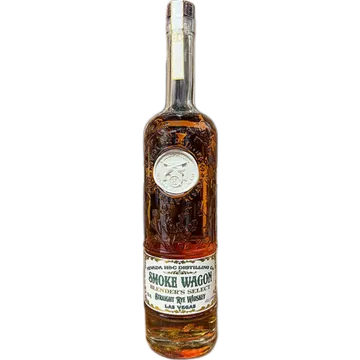
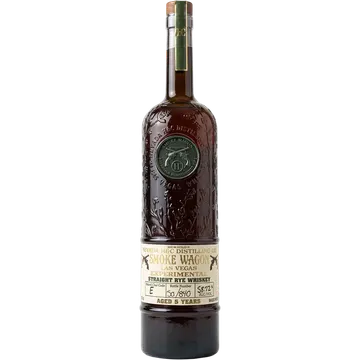
Smoke Wagon 9 Year Experimental Straight Rye Whiskey Barrel Char E 750ml
$599.99was $799.99
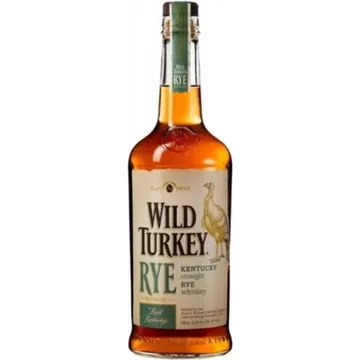
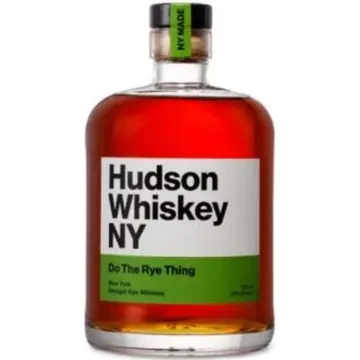
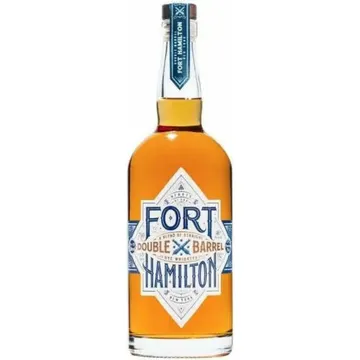
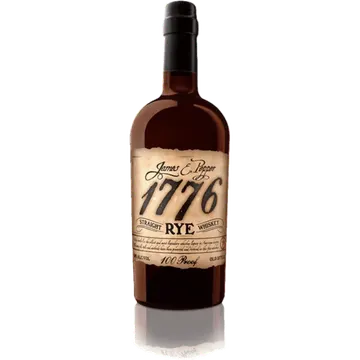
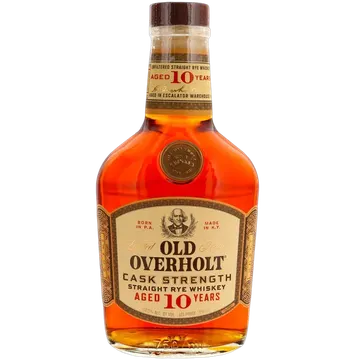
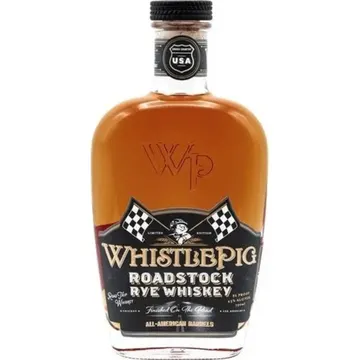
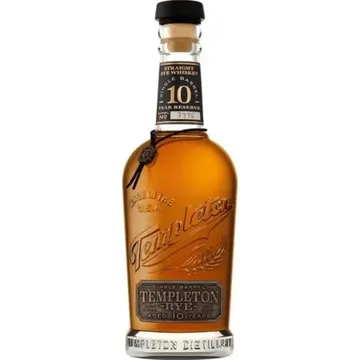
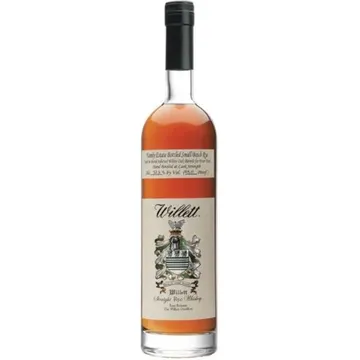
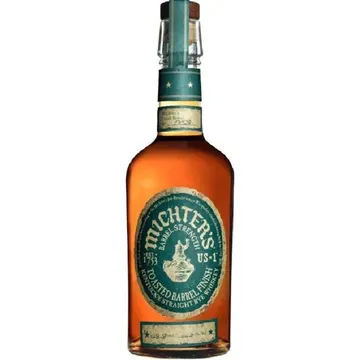
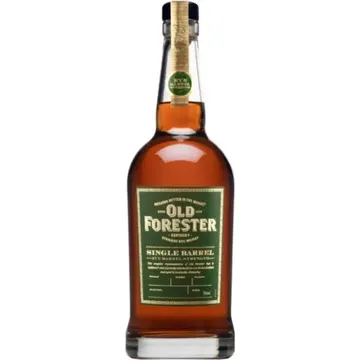
What Is Rye Whiskey? A Complete Guide
Rye whiskey is a grain spirit distilled from a mash that is at least 51% rye, which gives it a spicier, drier, more peppery flavor than bourbon. It’s aged in new charred oak barrels, which add vanilla and caramel notes, but the rye grain itself drives its signature bite. Rye whiskey has deep roots in American distilling history and has made a major comeback with cocktail lovers and sippers alike.
This guide covers everything you need to know about rye whiskey: how it’s made, how it compares to bourbon, the best ways to drink it, and which bottles are worth seeking out in 2026.
What Makes a Whiskey “Rye”?
In the United States, a whiskey can only be labeled “rye” if its mash bill contains at least 51% rye, it is distilled to no more than 160 proof (80% ABV), it enters the barrel at no more than 125 proof, it is aged in new, charred oak containers, and it is bottled at 80 proof (40% ABV) or higher. These standards are set by federal regulation, administered by the Alcohol and Tobacco Tax and Trade Bureau (TTB), and mirror the rules for bourbon except for the main grain. Rye aged at least two years can be labeled “straight rye whiskey,” and if it’s younger than four years, the label must state its age.
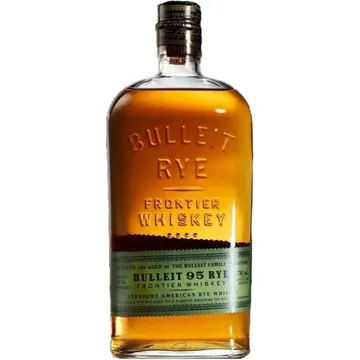
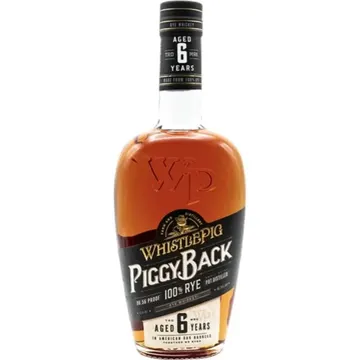
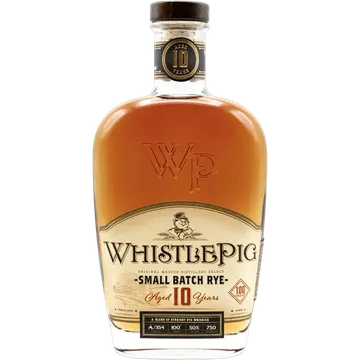
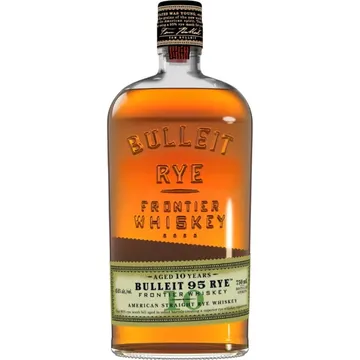
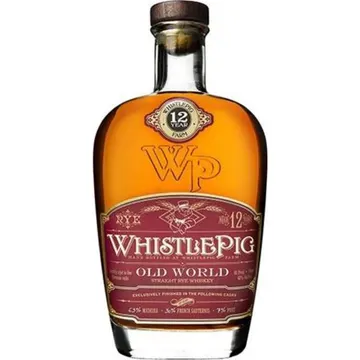
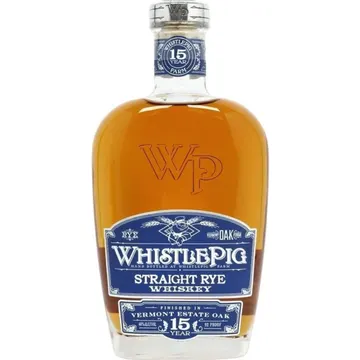
The rest of the mash bill usually includes corn and malted barley, which round out the flavor and help fermentation. Distillers who want a bolder, spicier profile push the rye well above the 51% minimum: Bulleit 95 Rye is made from 95% rye and 5% malted barley, and WhistlePig PiggyBack is 100% rye.
Canadian whisky follows different, looser rules. Under Canadian law, “Canadian whisky,” “Canadian rye whisky,” and “rye whisky” can be used interchangeably, even when the mash bill contains little or no rye grain, as long as the whisky is aged at least three years. That’s a key distinction when comparing American and Canadian bottles.
How Is Rye Whiskey Made?
Rye whiskey is made by mashing a grain bill of at least 51% rye, fermenting it with yeast, distilling it, and aging it in new charred oak barrels. The process follows traditional American whiskey production, but rye is high in natural gums that make the mash thick, sticky, and prone to foaming, so distillers have to manage temperature and handling carefully.
The production process generally follows these steps:
- Milling: Rye, along with corn and/or malted barley, is ground into a coarse meal.
- Mashing: The grains are cooked with water to convert their starches into fermentable sugars.
- Fermentation: Yeast is added, and over several days it converts the sugars into alcohol.
- Distillation: The fermented liquid, called “distiller’s beer,” is distilled, usually in a column still and often again in a doubler or pot still.
- Aging: The clear spirit goes into new, charred oak barrels, usually American white oak, where it develops color and flavor.
- Bottling: After aging, the whiskey is cut with water if needed and bottled at 80 proof or higher.
Rye’s spicy, grainy character comes through clearly even after years in oak, which is why rye whiskey keeps its distinctive bite at almost any age.
Rye Whiskey vs. Bourbon: What’s the Difference?
The main difference between rye whiskey and bourbon is the dominant grain: rye whiskey requires at least 51% rye, while bourbon requires at least 51% corn. That single difference changes the flavor a lot. Rye leans spicy, dry, and peppery, while bourbon tends to be sweet, round, and caramel-forward.
| Feature | Rye Whiskey | Bourbon |
|---|---|---|
| Main grain | 51%+ rye | 51%+ corn |
| Flavor profile | Spicy, dry, peppery | Sweet, caramel, vanilla |
| Barrels | New, charred oak | New, charred oak |
| Classic cocktails | Manhattan, Sazerac | Old Fashioned, Mint Julep |
| Historic home | Pennsylvania and Maryland | Kentucky |
Rye whiskey suits drinkers who want a cocktail with a bolder, more assertive backbone, while bourbon works best for those who prefer a smoother, sweeter sip. Many whiskey drinkers keep both on hand, since they do different jobs in a home bar.
What Does Rye Whiskey Taste Like?
Rye whiskey tastes spicy, dry, and slightly bitter, with notes of black pepper, clove, and sometimes mint or dill, layered over the vanilla and caramel it picks up from the barrel. The flavor depends heavily on how much rye is in the mash bill. Ryes made from 90% or more rye taste sharper and more herbal, while ryes closer to 51% are softer and more like bourbon.
Common tasting notes include:
- Black pepper and baking spice
- Clove and cinnamon
- Mint, dill, or anise, especially in ryes with a very high rye content
- Vanilla and light caramel from the barrel
- A dry, lingering finish
Older rye whiskeys (8 years and up) tend to mellow, as the oak softens the grain’s sharper edges into a rounder, more balanced profile.
What Is Rye Whiskey Used For?
Rye whiskey is most often used in classic cocktails that call for a spicier, more structured base, including the Manhattan, the Sazerac, and the Old Fashioned. It’s also enjoyed neat or on the rocks by drinkers who like its assertive, peppery character.
Popular ways to drink rye whiskey include:
- Neat or on the rocks: The best way to taste the full spice, especially in higher-proof bottles.
- Manhattan: Rye’s spice balances the sweet vermouth, which makes it the traditional choice.
- Sazerac: A New Orleans classic originally made with Cognac. Bartenders switched to rye in the late 1800s, after phylloxera devastated France’s vineyards, and rye is now the standard.
- Whiskey Sour: Rye adds a sharper backbone than bourbon to this citrus-forward cocktail.
- Rye and ginger: A simple highball that plays rye’s spice against the sweetness of ginger ale.
Bartenders often prefer rye over bourbon in stirred, spirit-forward cocktails because its dryness keeps the drink from tasting too sweet.
How Should You Choose a Rye Whiskey?
Choosing a rye whiskey comes down to three things: how much rye is in the mash bill, the proof, and whether you’ll drink it neat or in cocktails. Ryes with 75% rye or more suit drinkers who want bold spice and plan to mix, while ryes with less rye and more corn are smoother and closer to bourbon.
- For cocktails: Choose a higher-proof rye (100 proof or more) so it holds up to mixers and ice.
- For sipping neat: Choose a lower-proof, longer-aged rye (around 90 proof or below, 6+ years) for a smoother experience.
- For bold spice lovers: Choose a 95% or 100% rye for maximum pepper and herbal character.
- For bourbon drinkers exploring rye: Choose a rye close to the 51% minimum as a gentler introduction.
Budget matters too. Many well-regarded ryes are affordable, while limited releases and barrel-proof bottles cost more because of their scarcity and higher strength.
Best Rye Whiskeys to Try
A few bottles from our shelves to get you started:
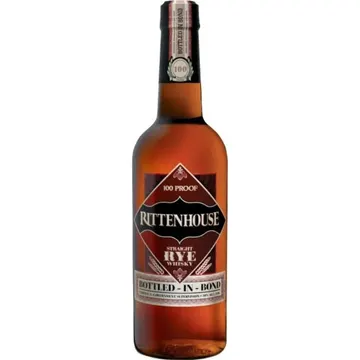
- For a classic Manhattan: Rittenhouse Bottled in Bond Straight Rye, bottled at 100 proof under the bottled-in-bond rules.
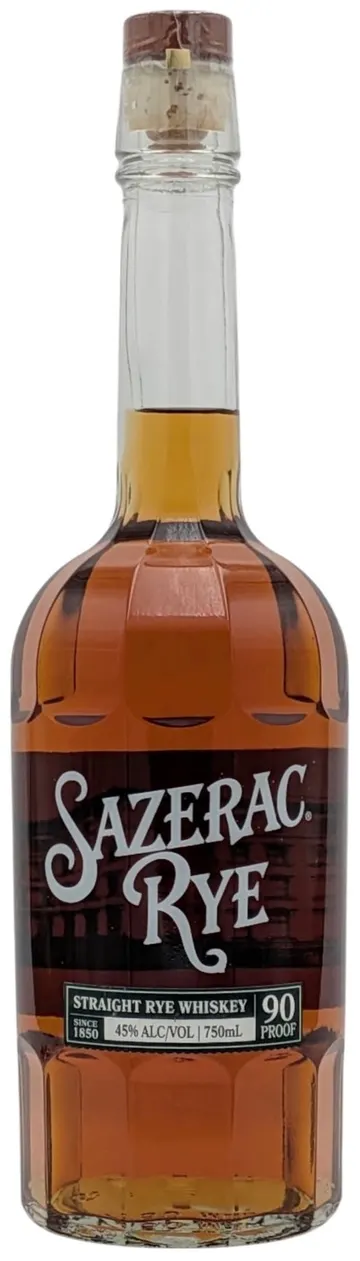
- For a Sazerac: Sazerac Rye, the rye named for the cocktail, at 90 proof.
- For bold spice: Bulleit 95 Rye, made from 95% rye and 5% malted barley.
- For 100% rye: WhistlePig PiggyBack 6 Year, all rye and aged six years.
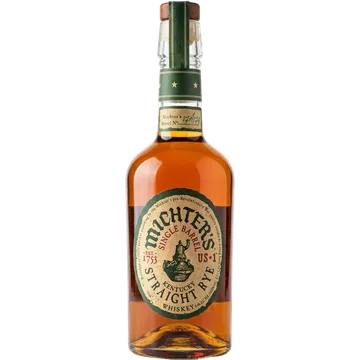
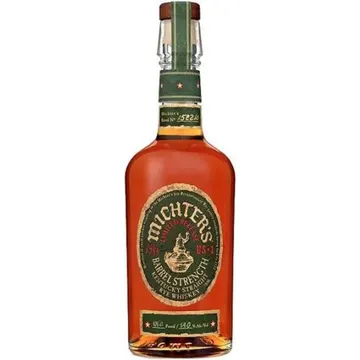
- For bourbon drinkers: Michter’s US*1 Single Barrel Straight Rye, a gentle 53% rye mash bill.
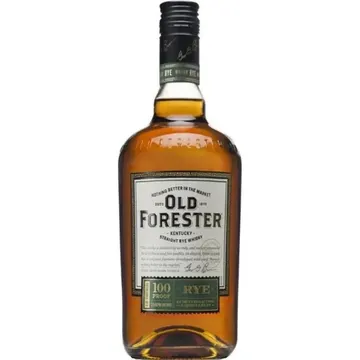
- For a Kentucky-style rye: Old Forester Kentucky Straight Rye, 100 proof with 65% rye.
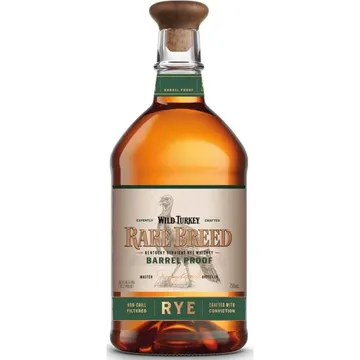
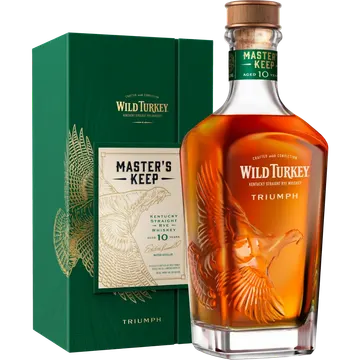
- For enthusiasts: Wild Turkey Rare Breed Barrel Proof Rye, bottled at 112.2 proof.
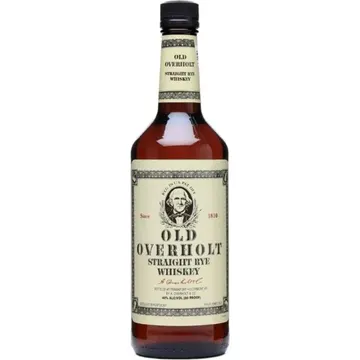
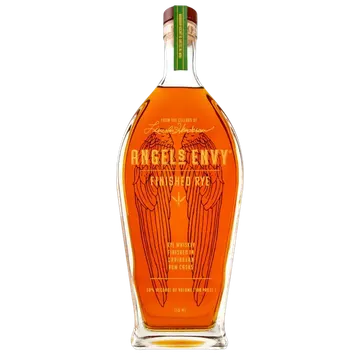
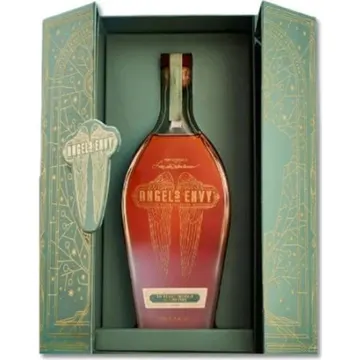
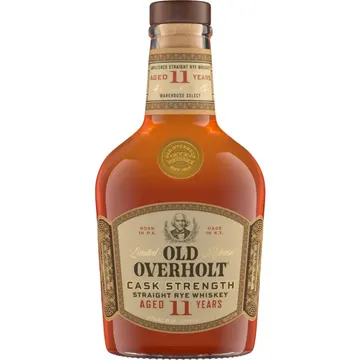
Shop by brand: WhistlePig, Michter’s, Old Overholt, Wild Turkey, Bulleit, Old Forester, and Angel’s Envy. Every bottle ships to all 50 states with an adult (21+) signature, with same-day delivery in Brooklyn, Manhattan, and Queens and free pickup at our Downtown Brooklyn store.
Is Rye Whiskey Making a Comeback?
Yes. Rye whiskey has seen a major resurgence since the early 2010s, driven largely by the craft cocktail revival and renewed interest in pre-Prohibition drinking. Before Prohibition, rye, not bourbon, was the dominant American whiskey, especially in Pennsylvania and Maryland, where German and Scots-Irish settlers first distilled it widely.
Prohibition and changing tastes nearly wiped out rye production by the mid-20th century, and only a handful of distilleries kept the style alive. The modern craft distilling boom, along with bartenders rediscovering classic rye cocktails, has brought the category back, and distilleries across the U.S. now make rye alongside long-standing brands.
Frequently Asked Questions
Is rye whiskey stronger than bourbon?
Not inherently. Both must be bottled at 80 proof or higher, and most range from 80 to over 100 proof depending on the brand. “Stronger” usually describes rye’s bolder, spicier flavor rather than its alcohol content.
Can rye whiskey be aged in used barrels?
No. U.S. regulations require rye whiskey to be aged in new, charred oak containers, the same rule that applies to bourbon. Scotch and many other international whiskies, by contrast, often use previously used barrels.
Does rye whiskey need an age statement to be good?
No. Many excellent rye whiskeys carry no age statement. An age statement tells you the minimum time in the barrel, but it doesn’t guarantee quality on its own; the mash bill, barrel, and proof matter just as much.
Is all Canadian whisky technically rye whisky?
Legally, the labels can be used interchangeably: Canadian law allows “rye whisky” and “Canadian whisky” to mean the same thing, even if the mash bill contains little or no rye. U.S. law is stricter and ties the “rye” label to a mash bill of at least 51% rye.
What is straight rye whiskey?
Straight rye whiskey is rye that has been aged at least two years in new, charred oak with nothing added. If it’s aged less than four years, the label must state its age.